Case Study
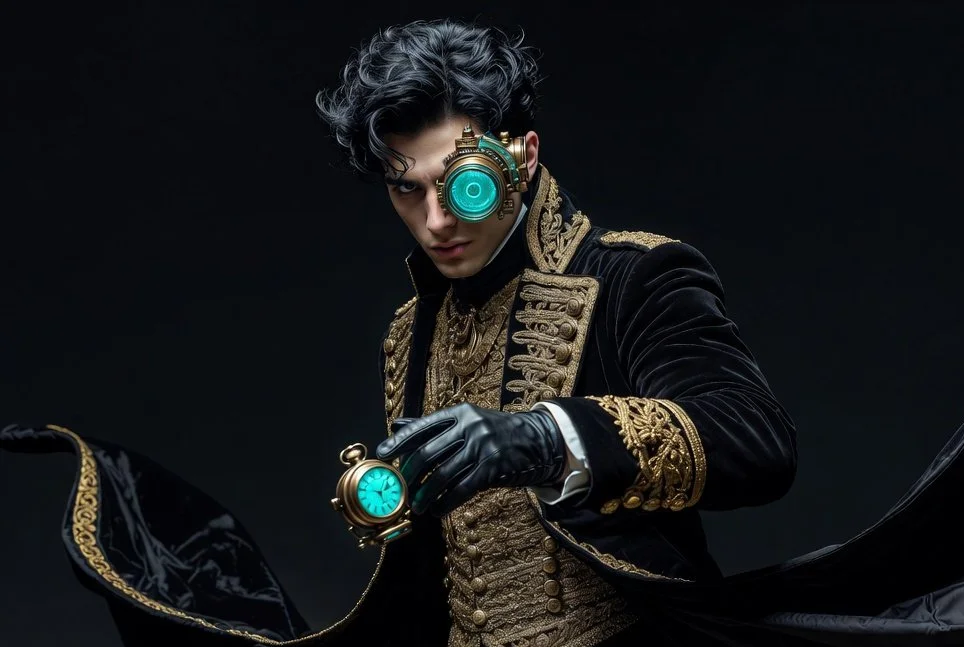
Dr. Aris Thorne (2125)

01. Summary
Role
Creative Direction & AI Video Generation
Client/Context
Melotech Case Study
Creator
Amit Gaur
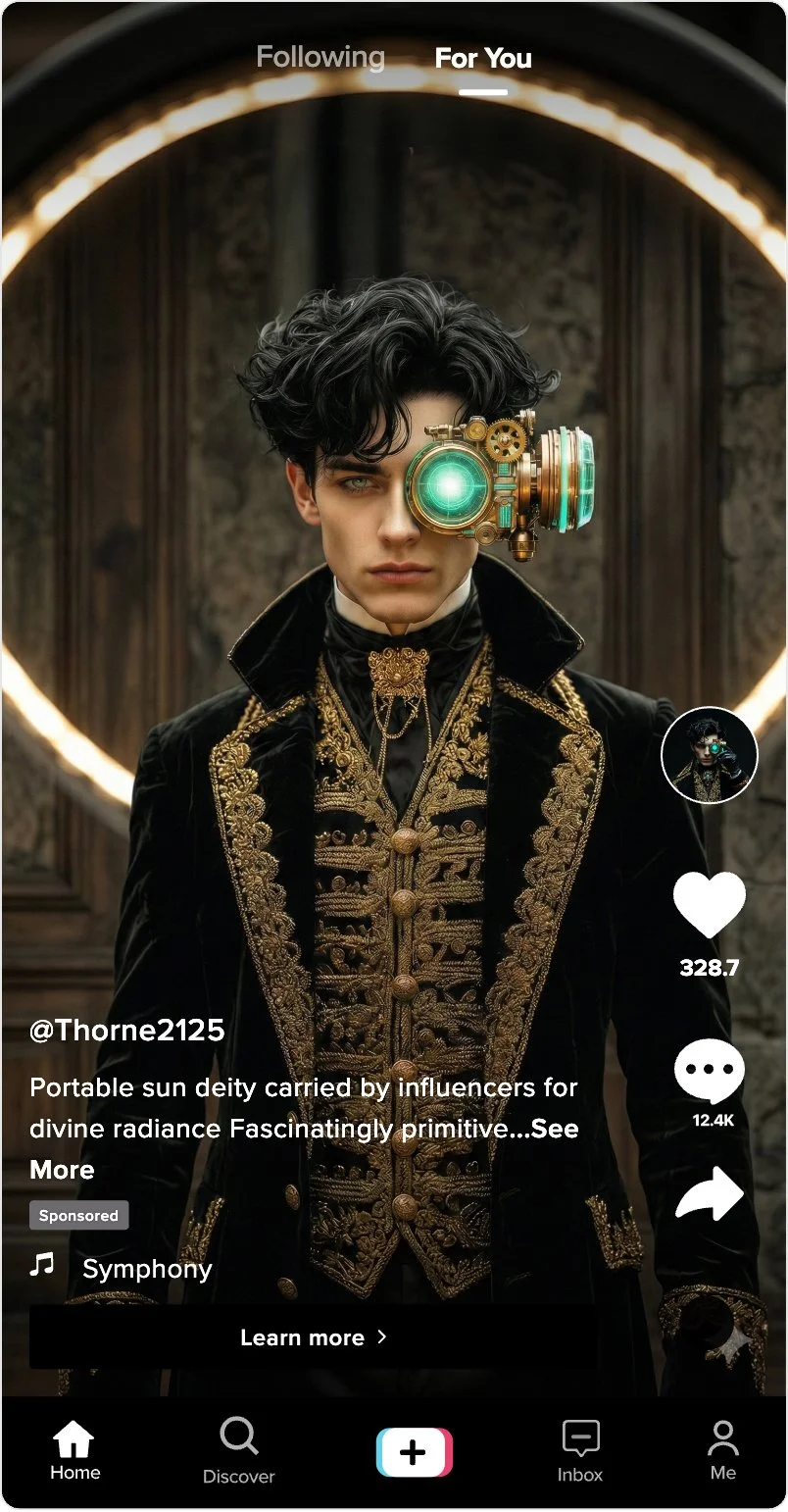
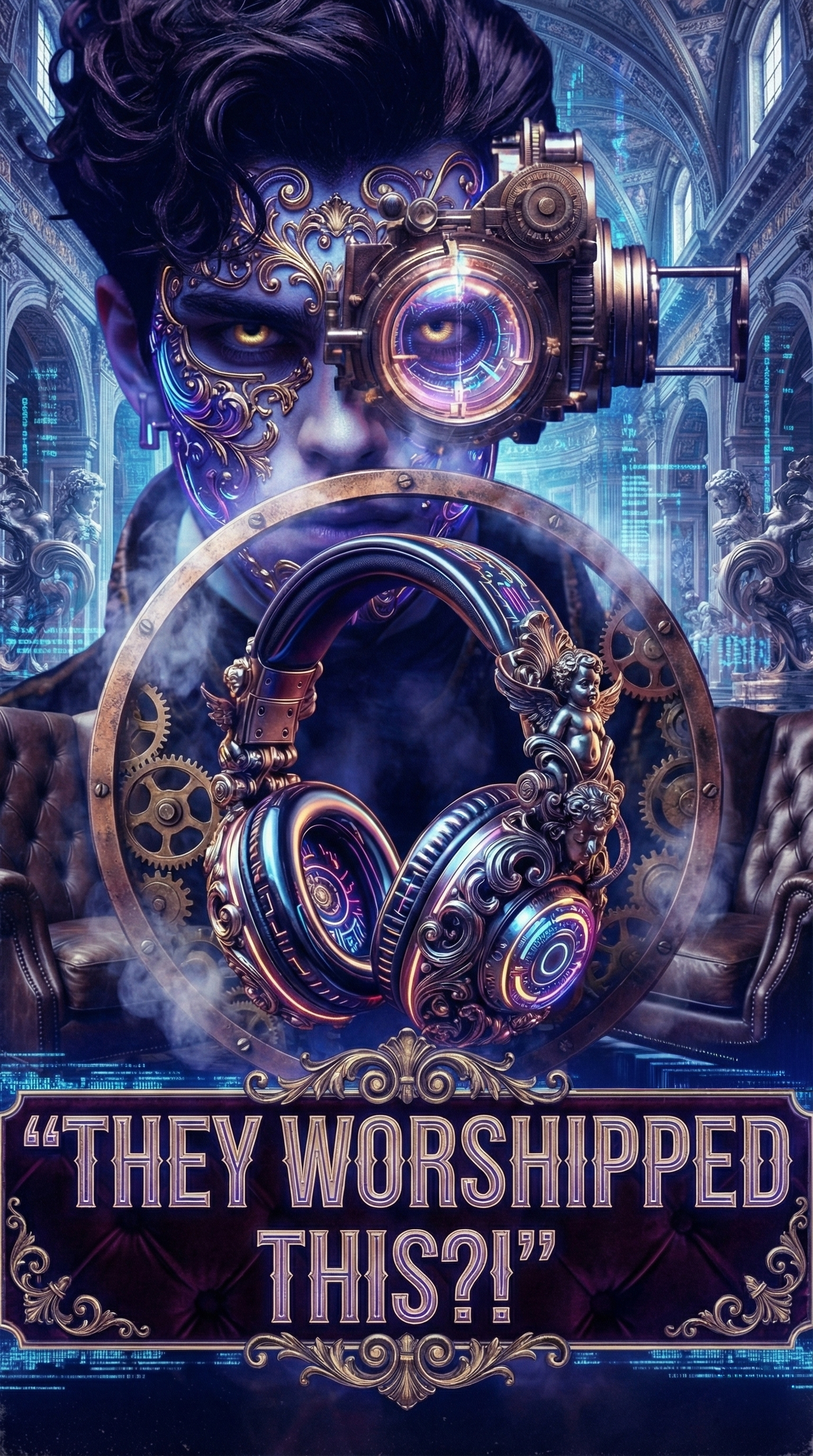
Dr. Aris Thorne is a satirical character designed for short-form video platforms. A "Cyber-Baroque" historian from the year 2125, Thorne excavates everyday objects from the 2020s but completely misinterprets them as sacred ancient relics.
The project utilizes a "Correction Farming" engagement strategy to drive viral growth.
02. The Character Concept
Victorian Opulence meets Neon Circuitry
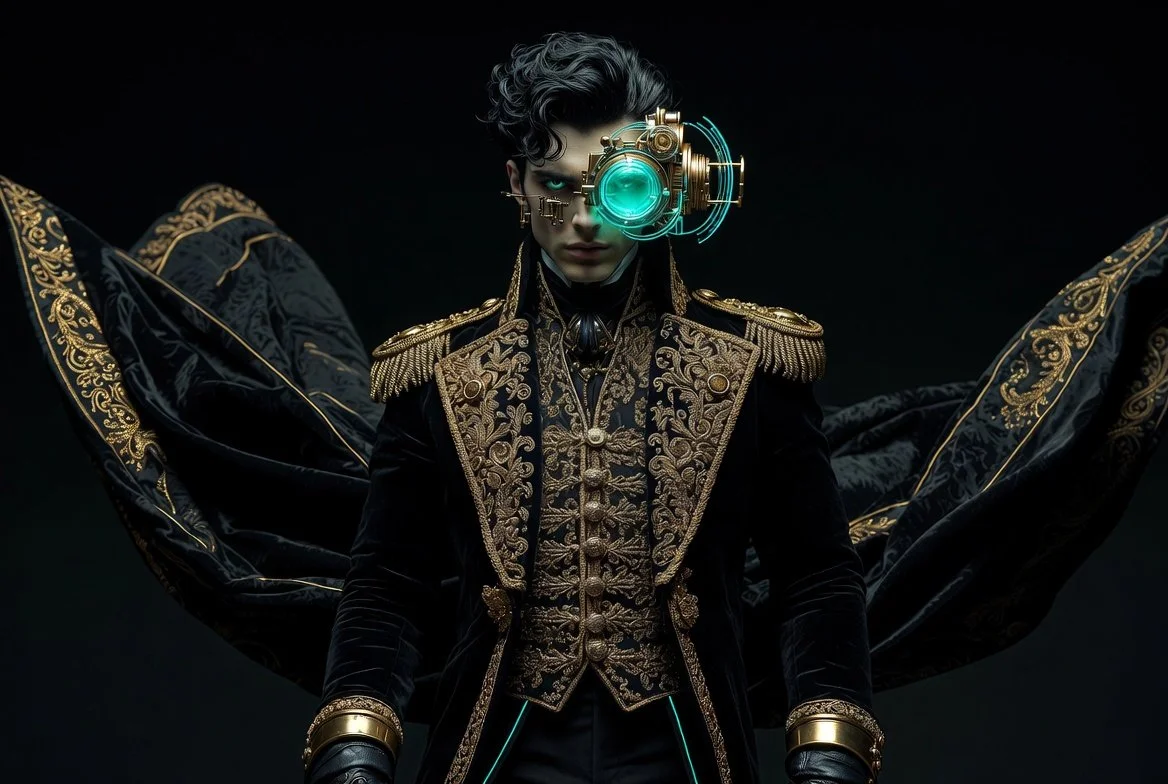
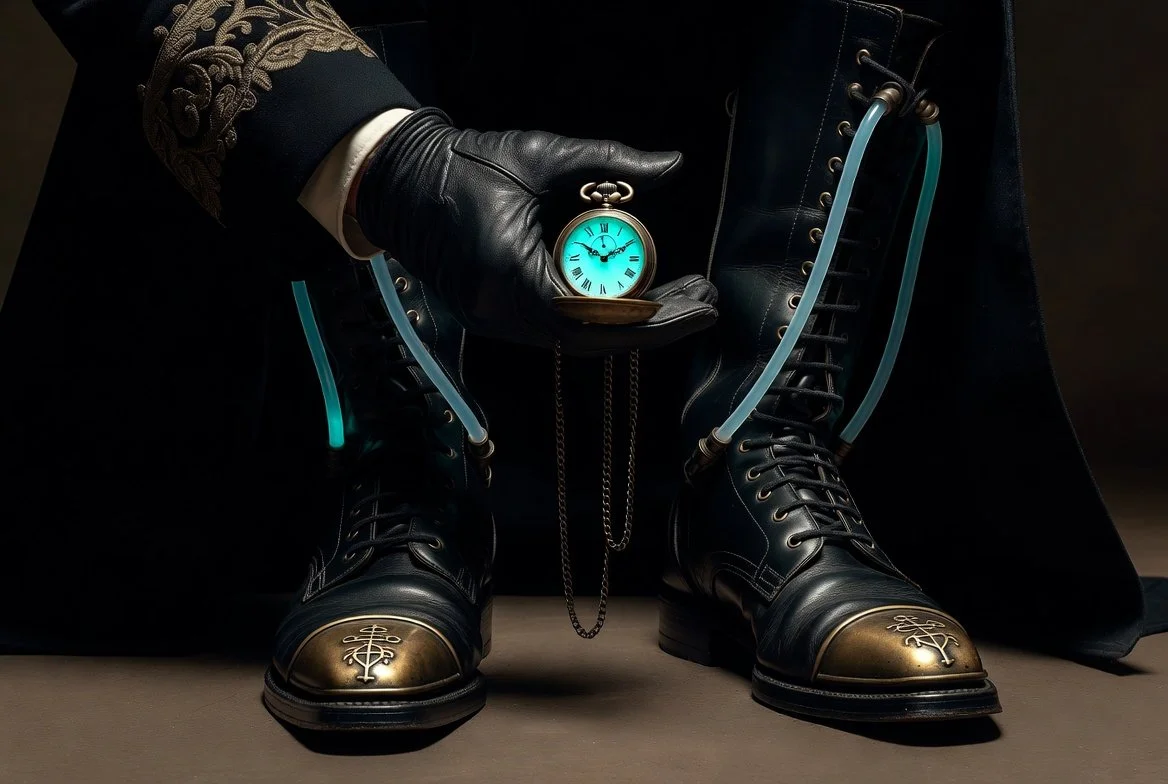
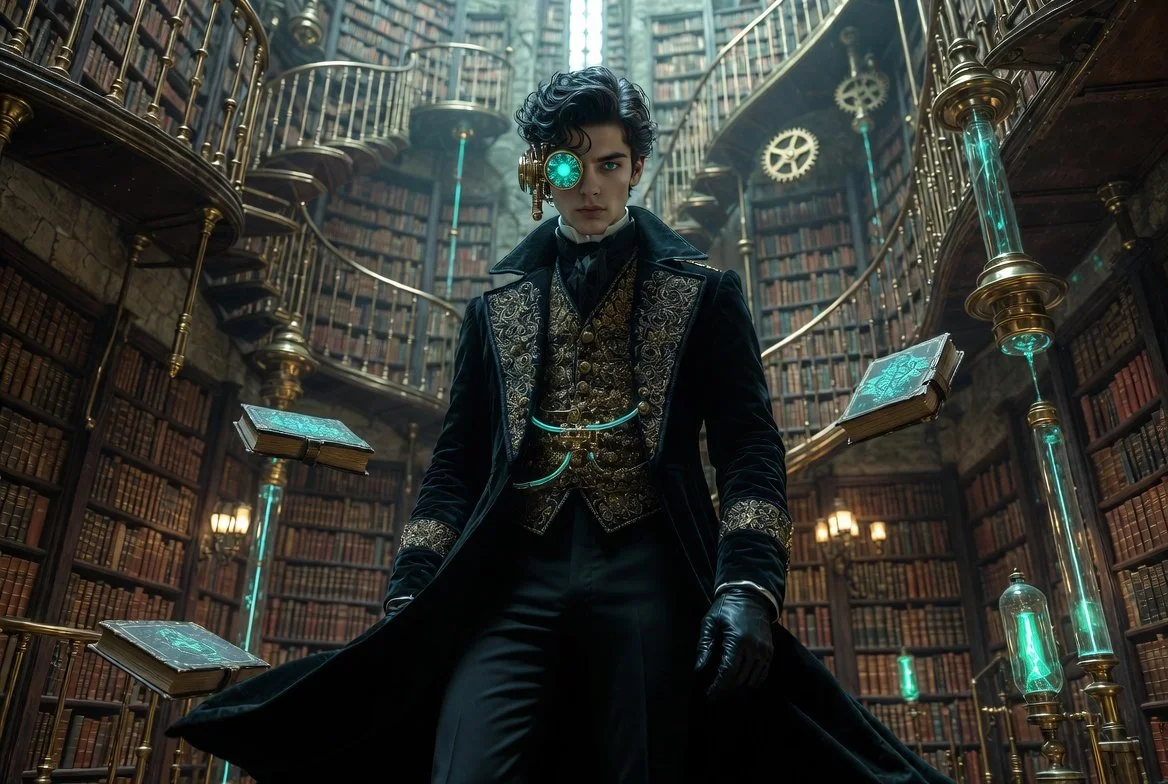
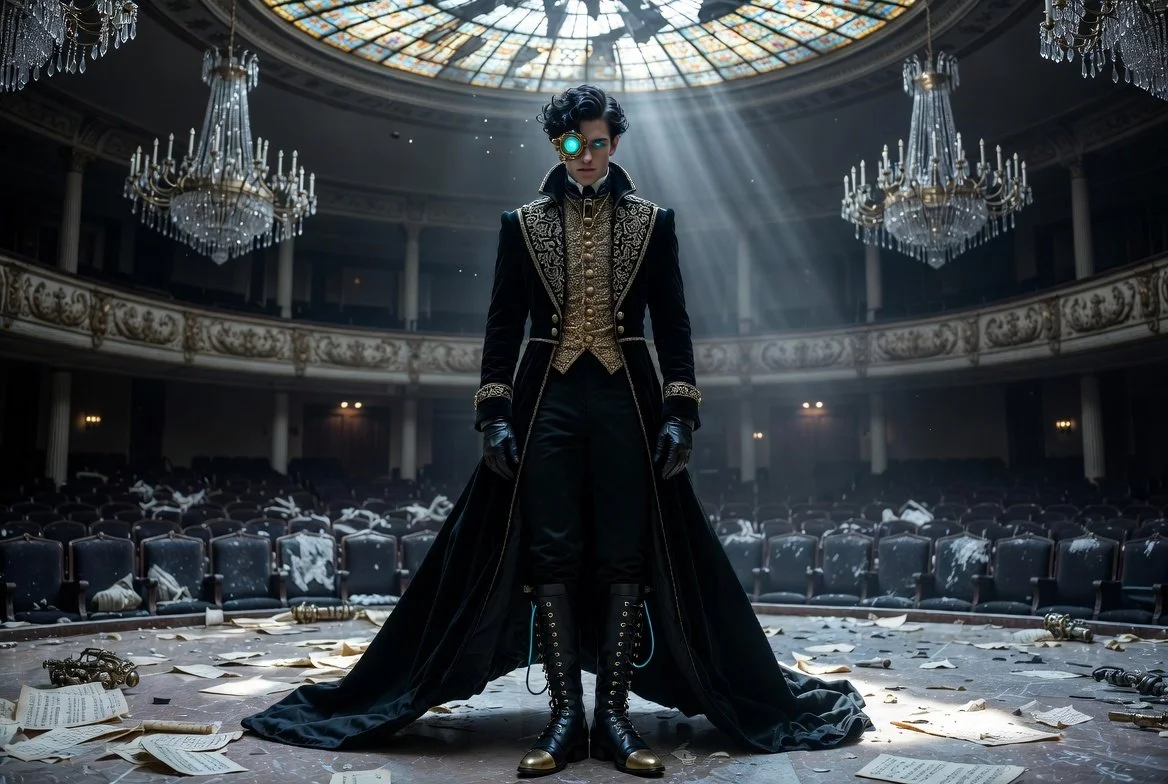
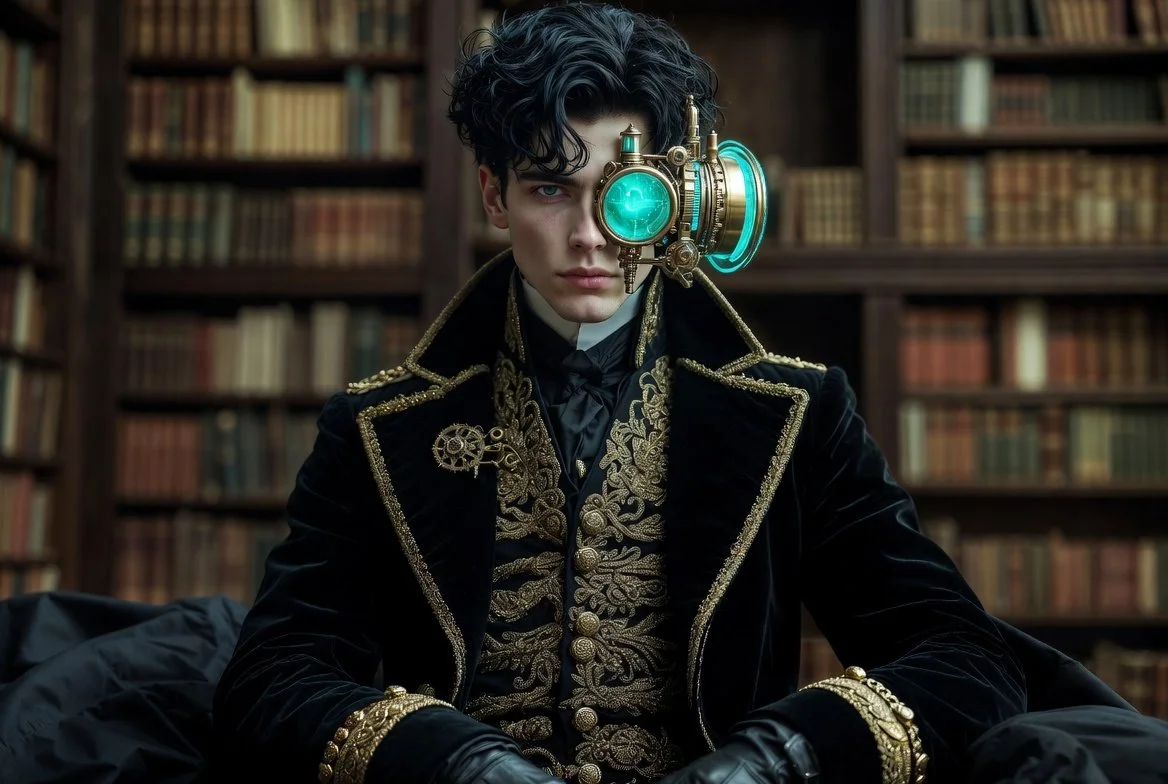
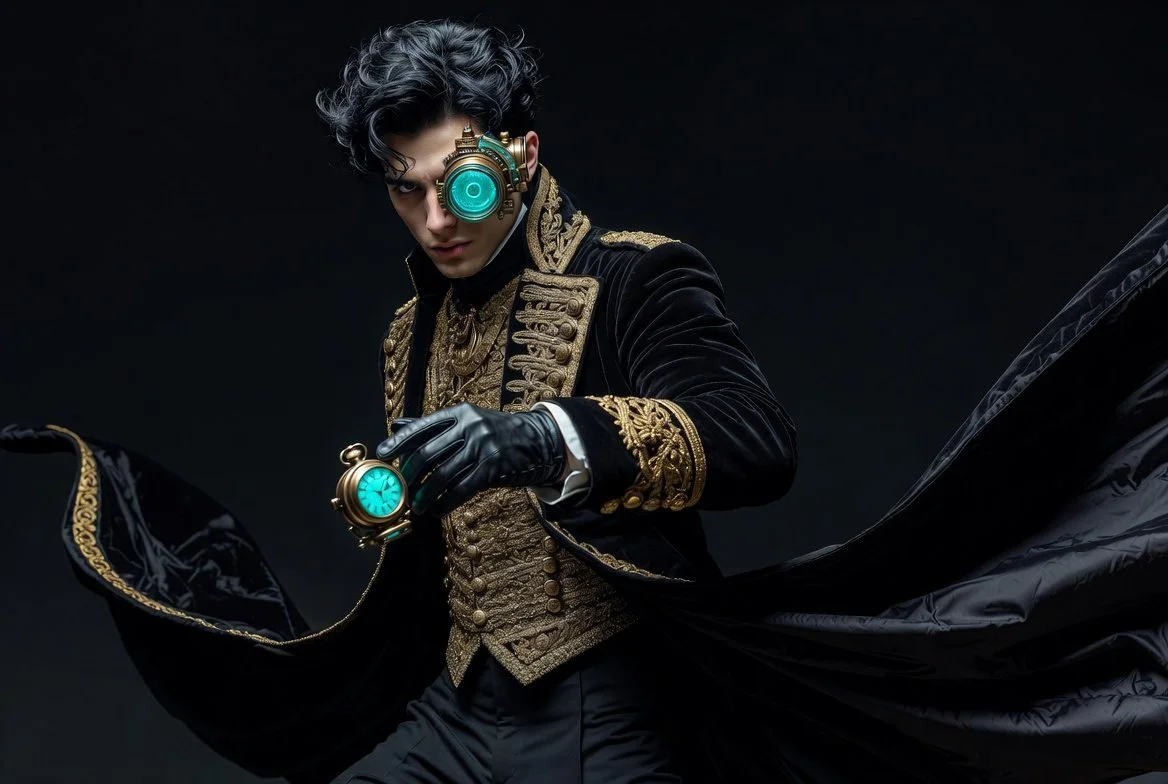
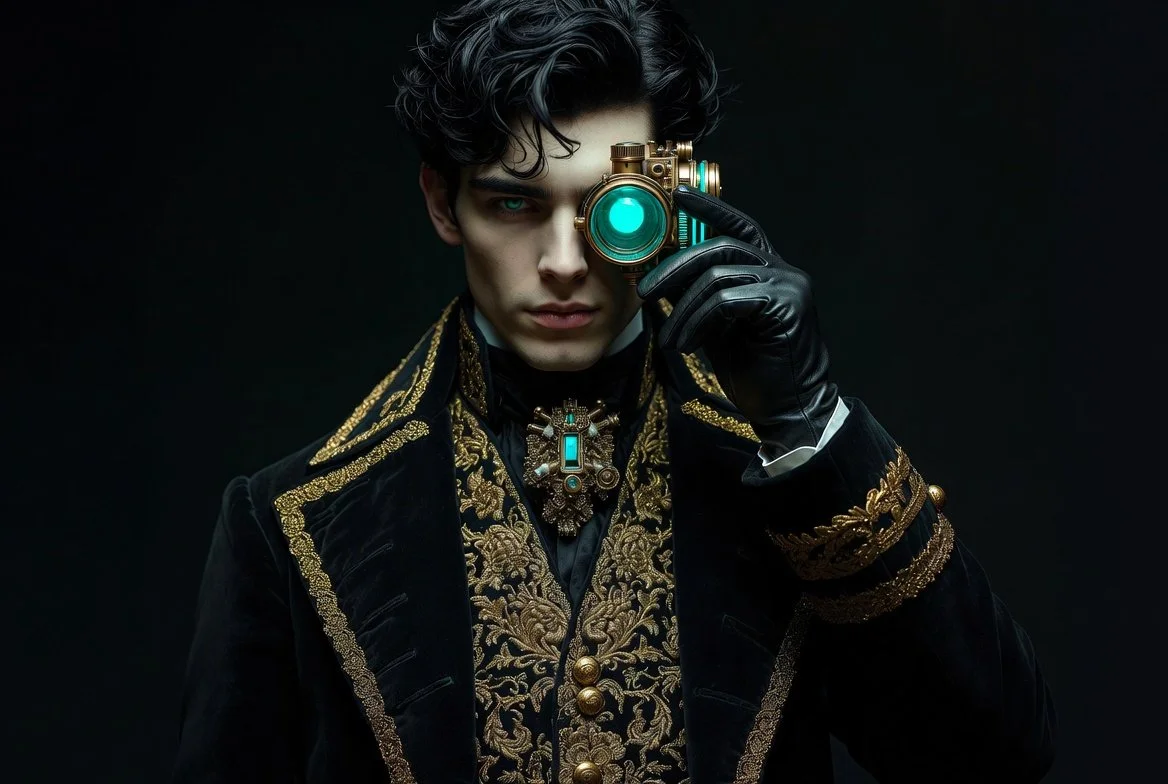
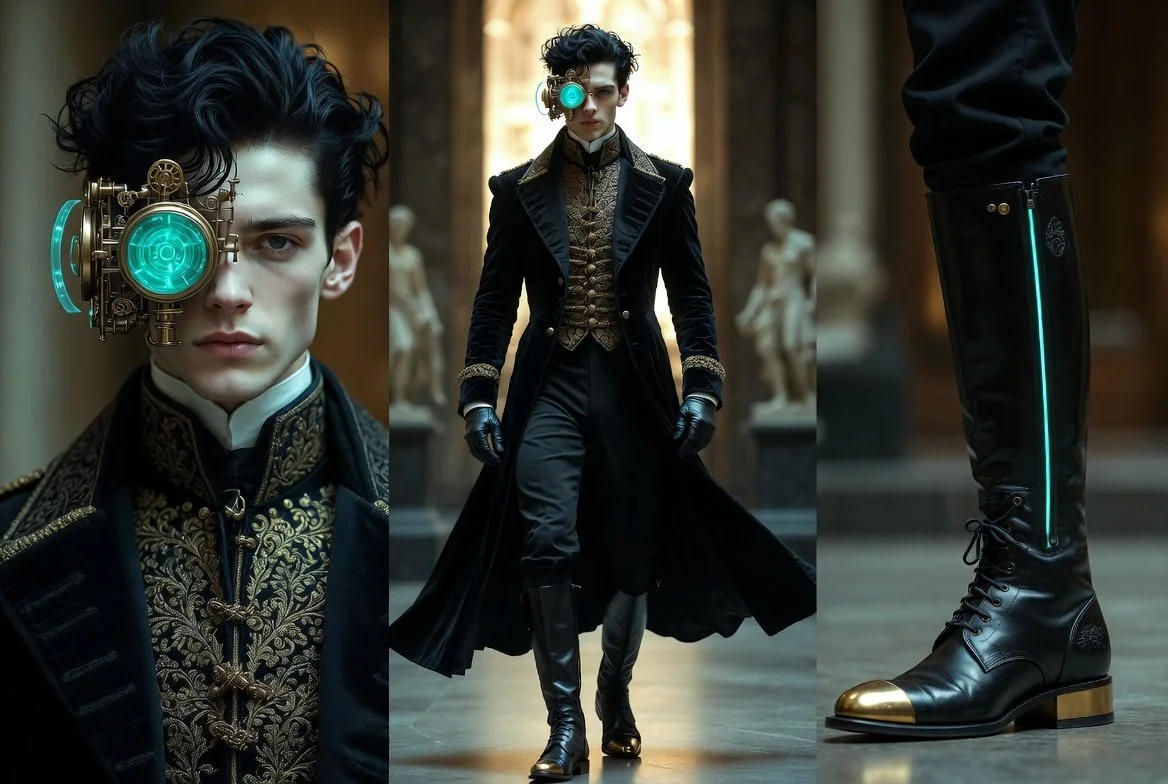
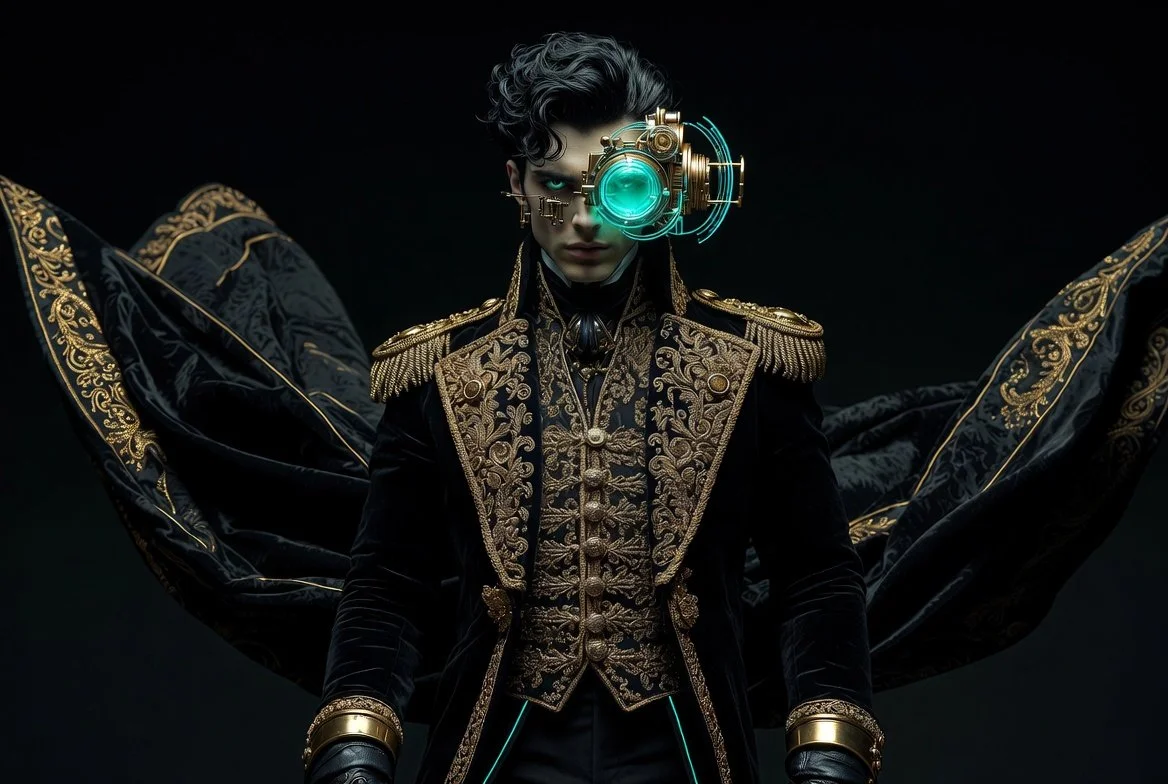
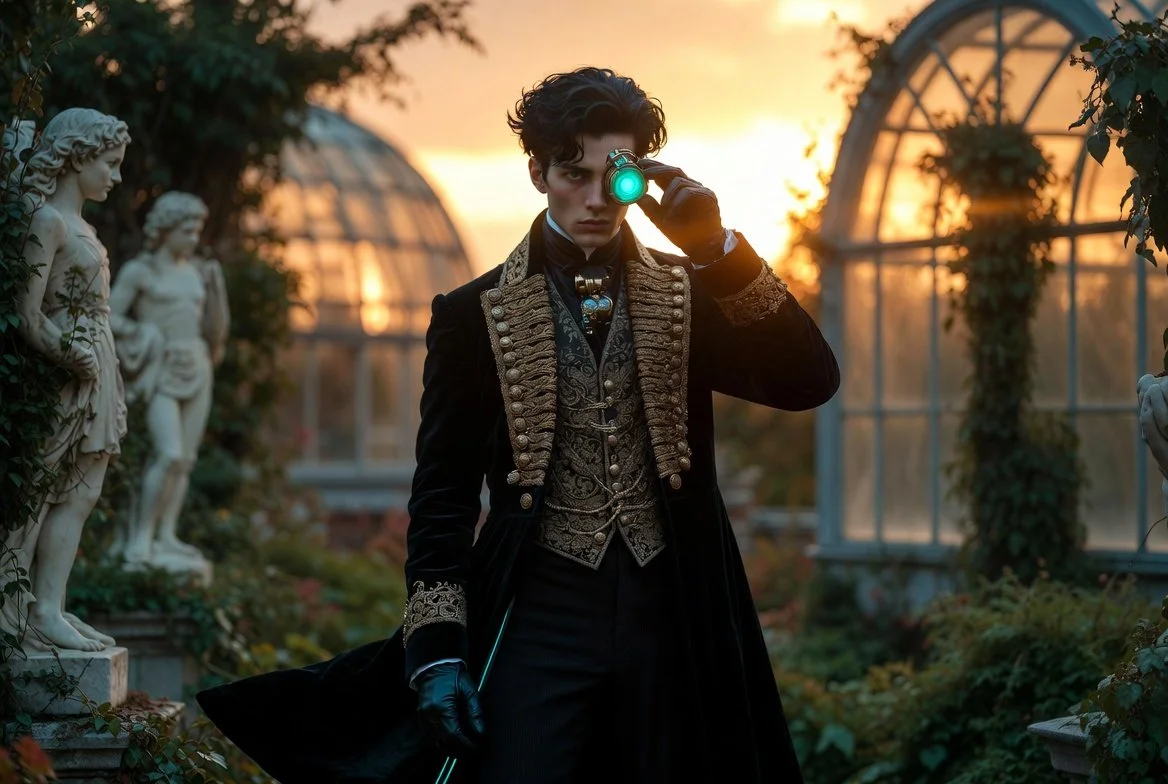
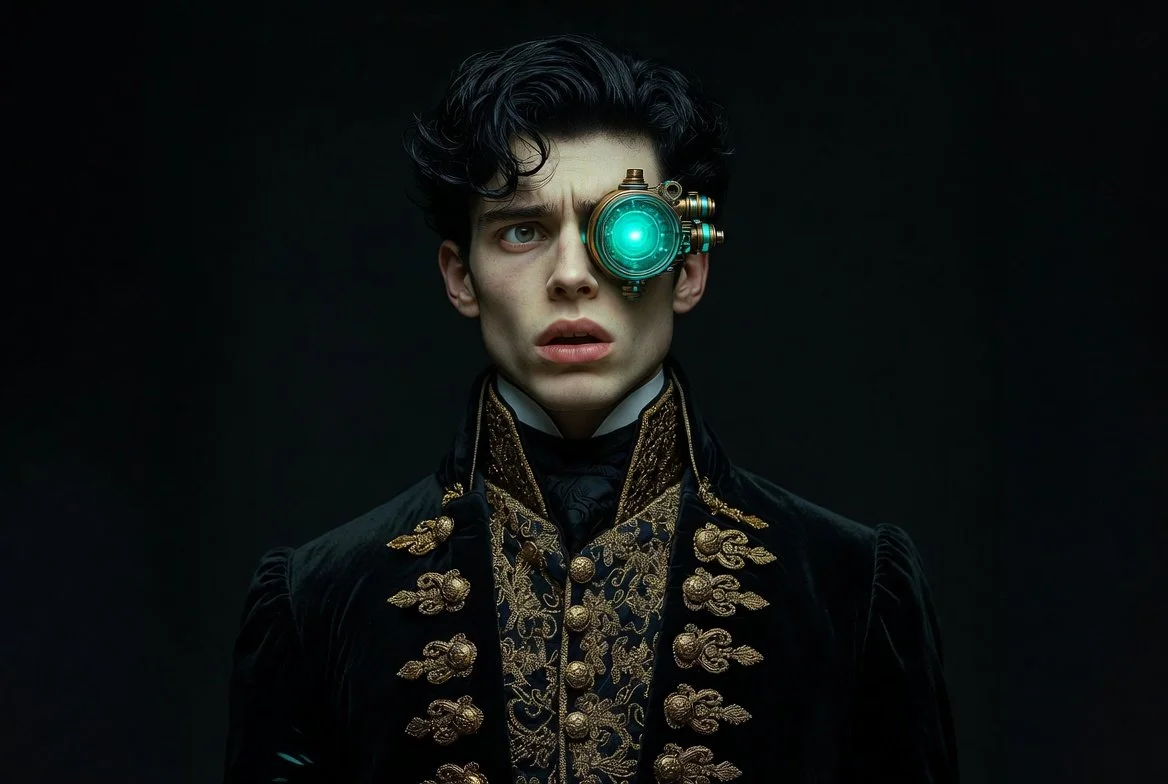
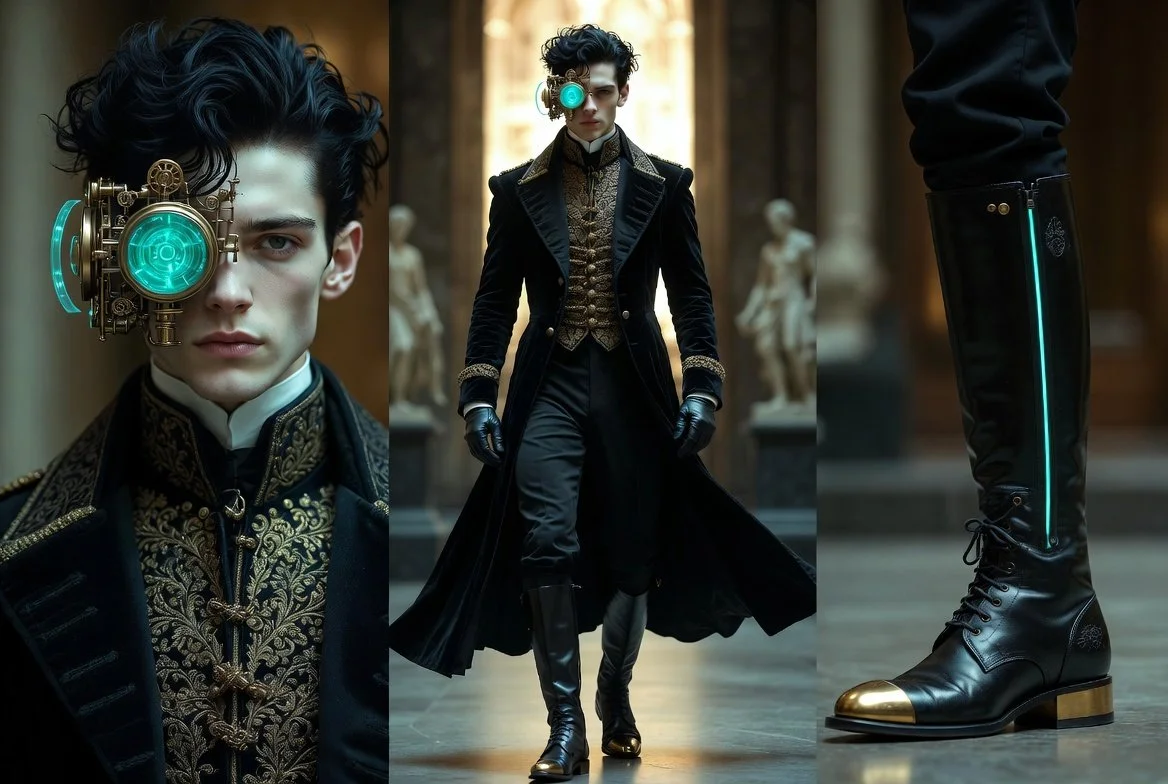
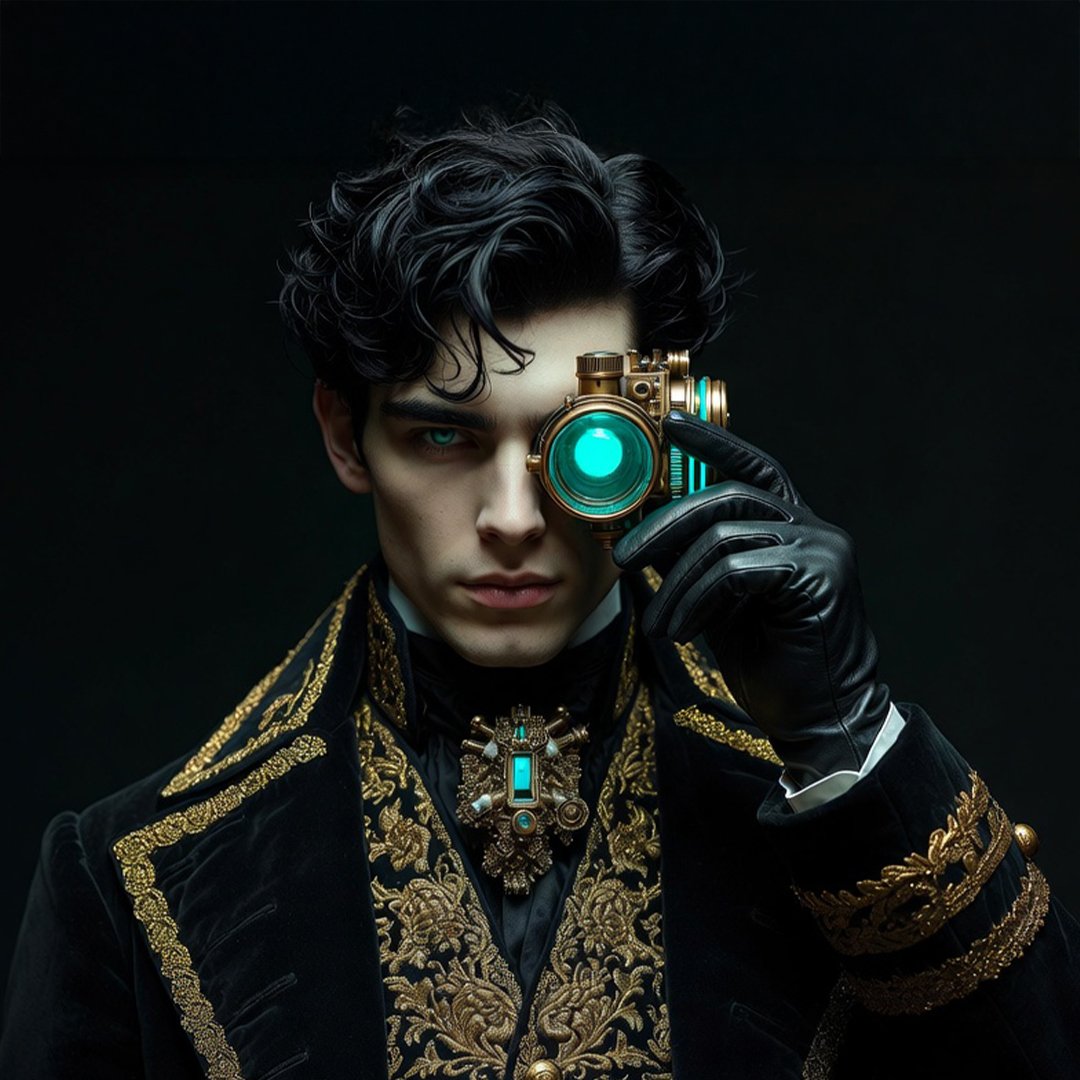
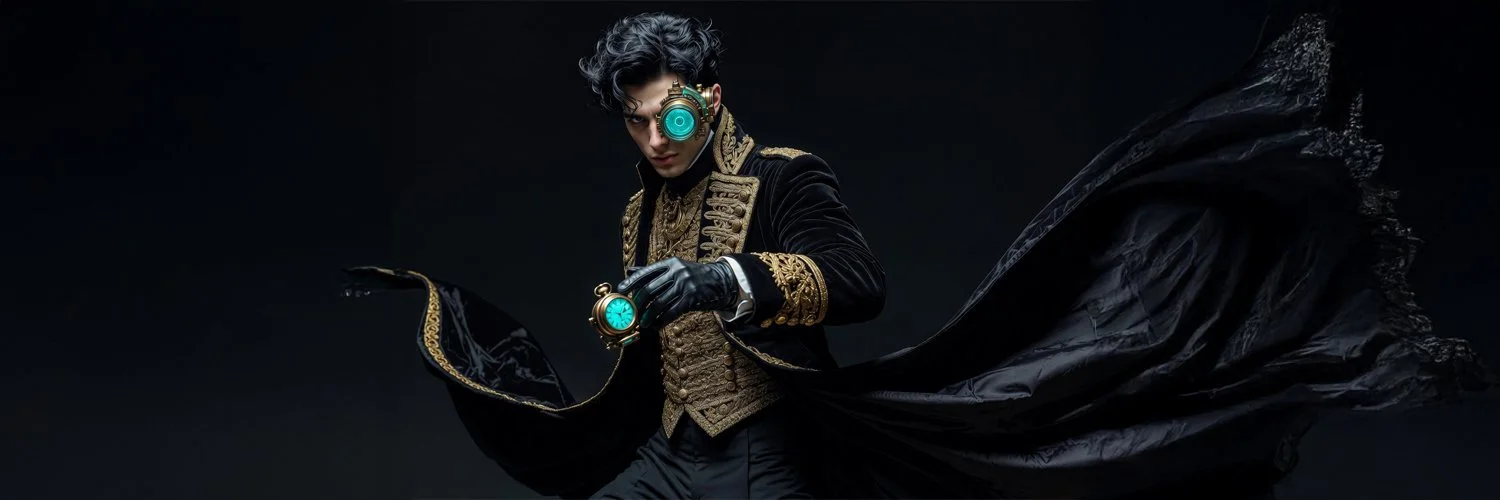
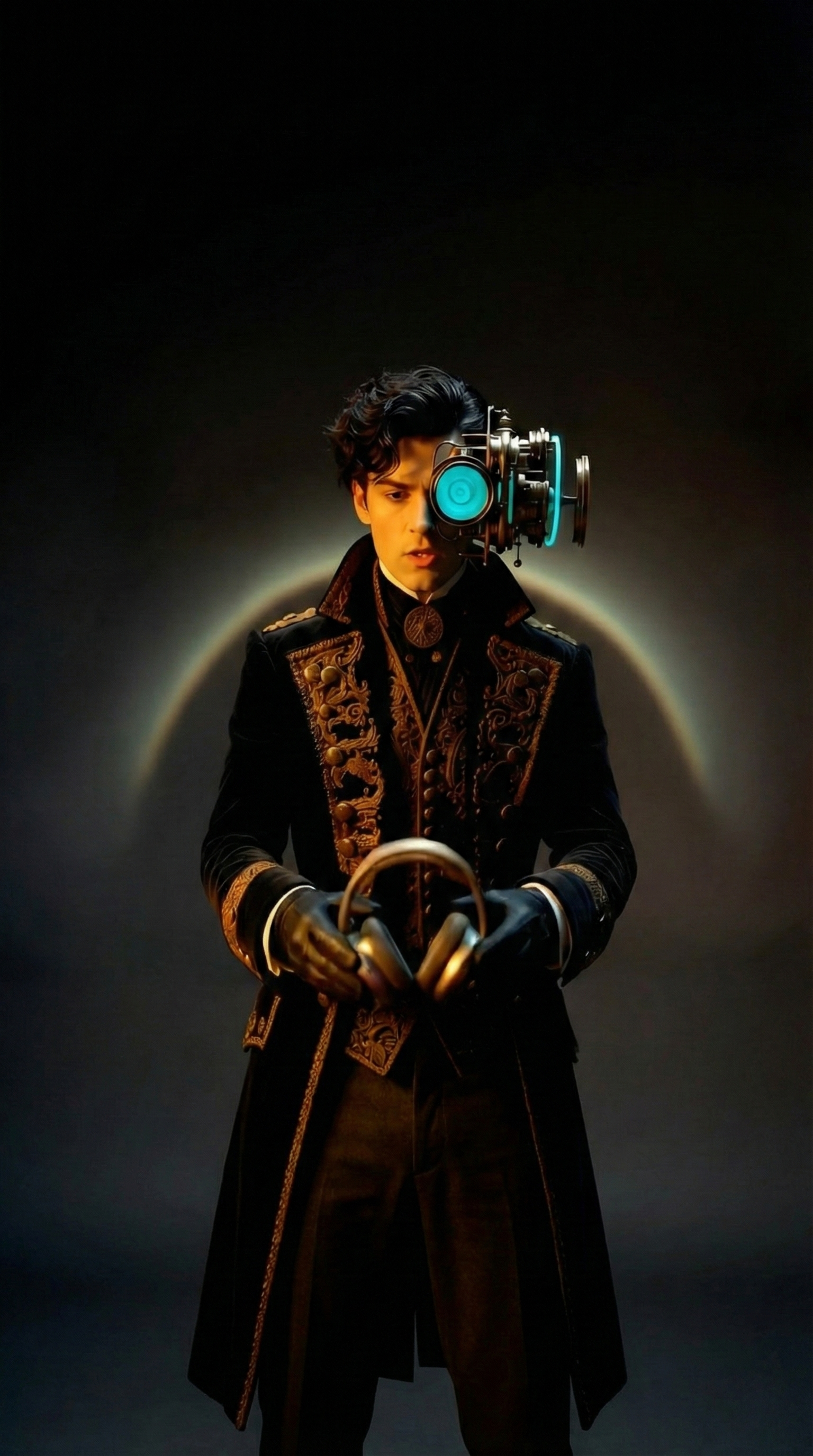
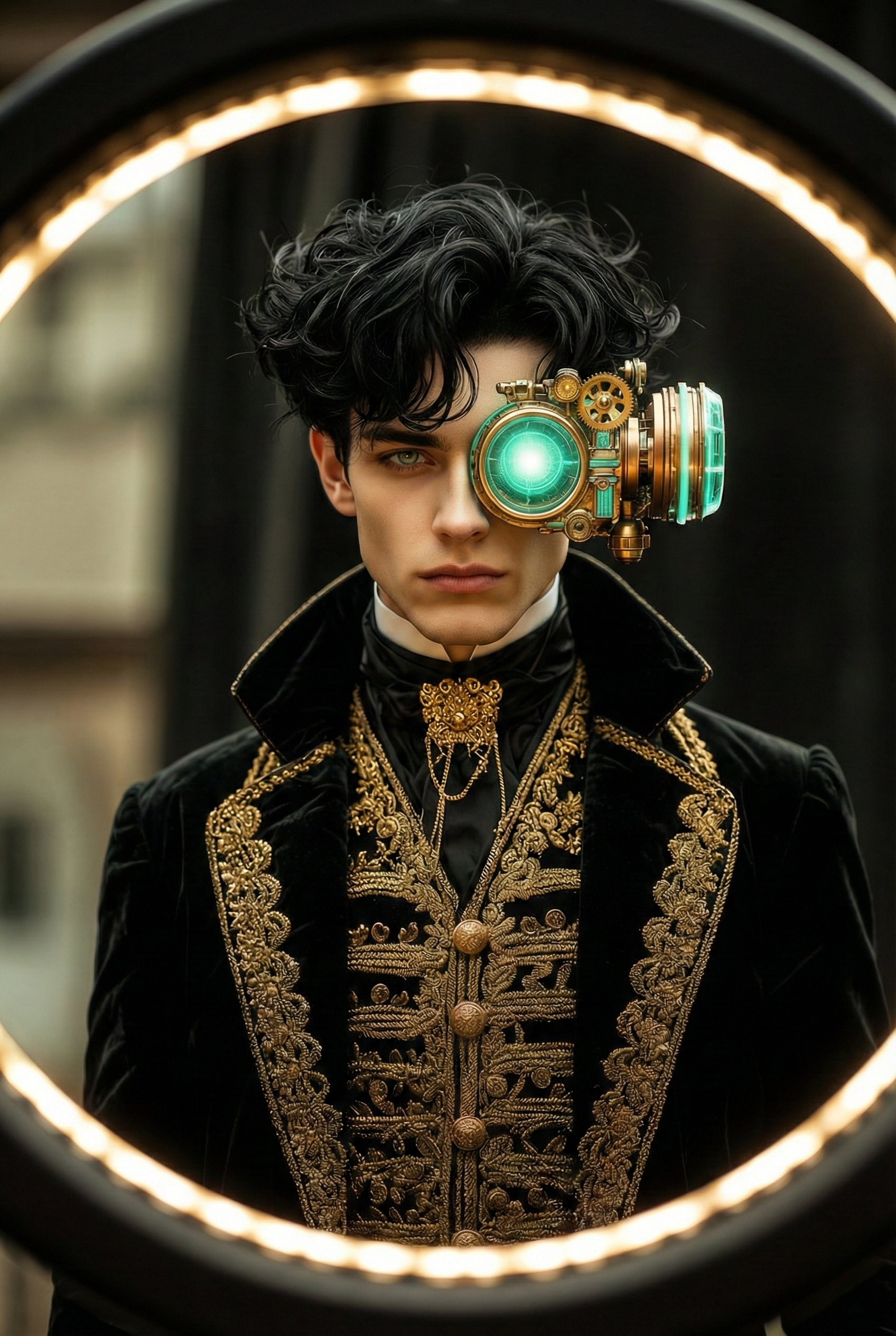
The visual identity is defined as "Cyber-Baroque," a fusion of Victorian opulence and neon circuitry.
The Vibe
Described as a "Bridgerton aristocrat who accidentally time-traveled into Blade Runner."
The Look
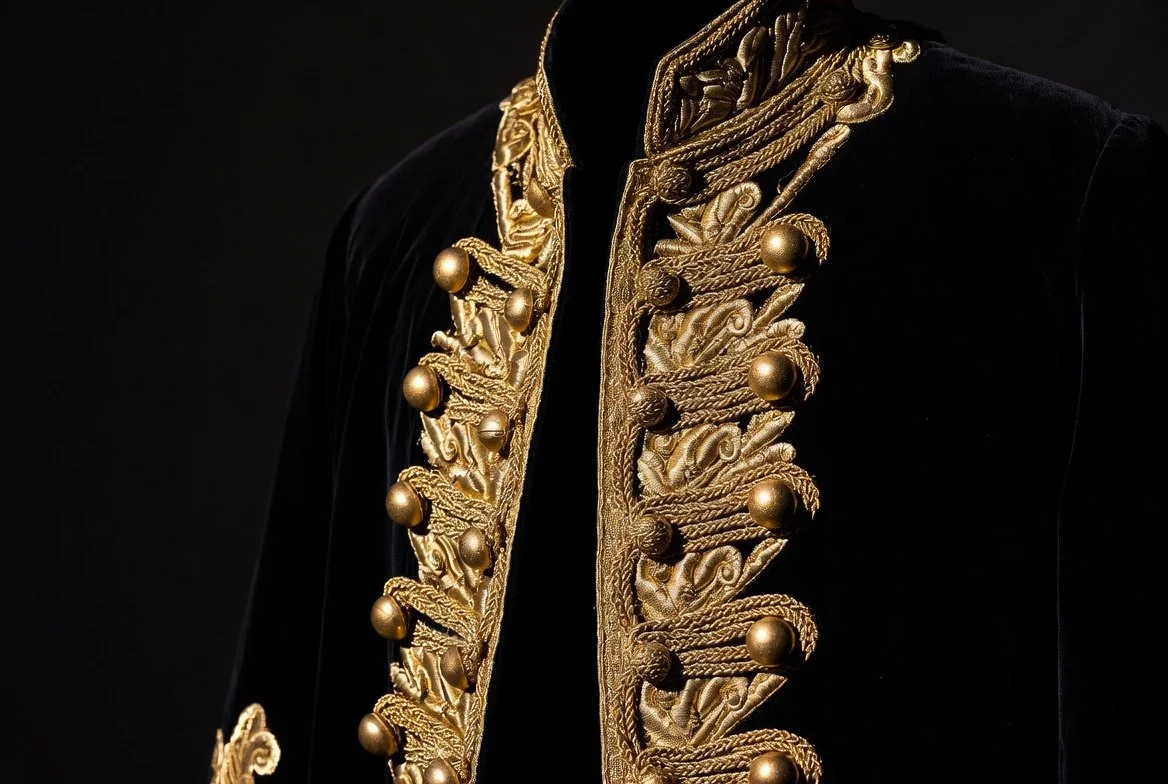
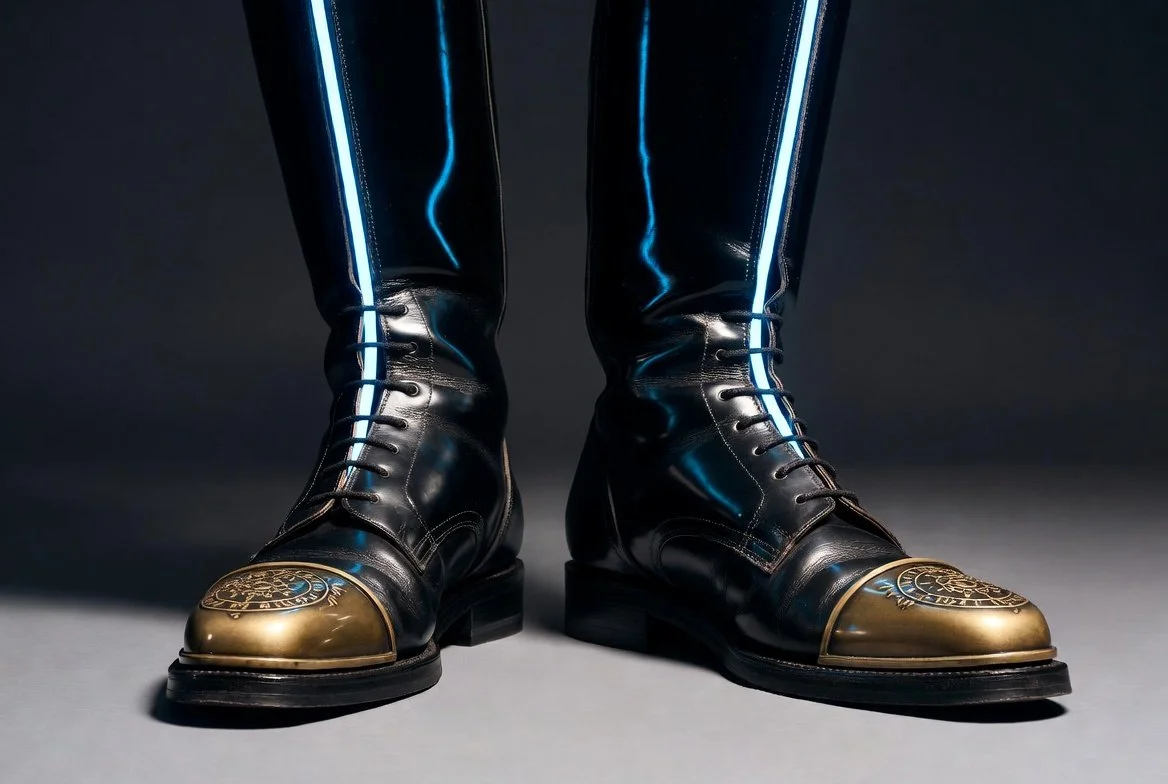
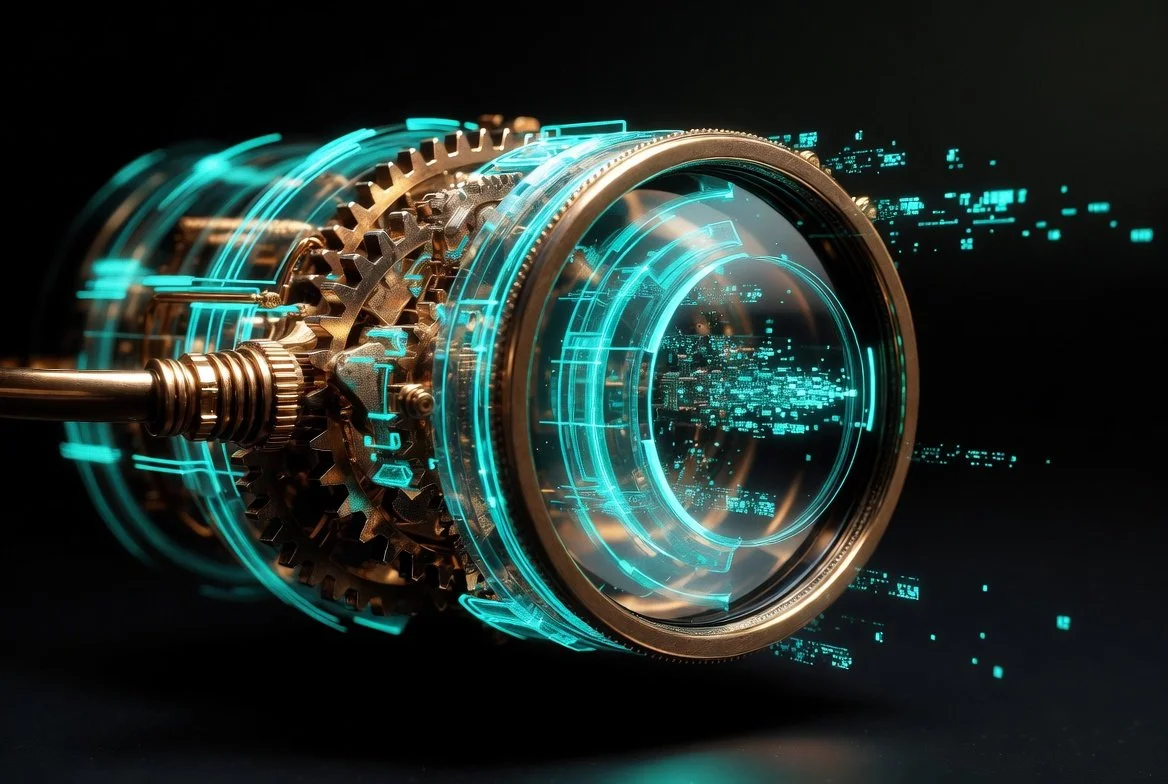
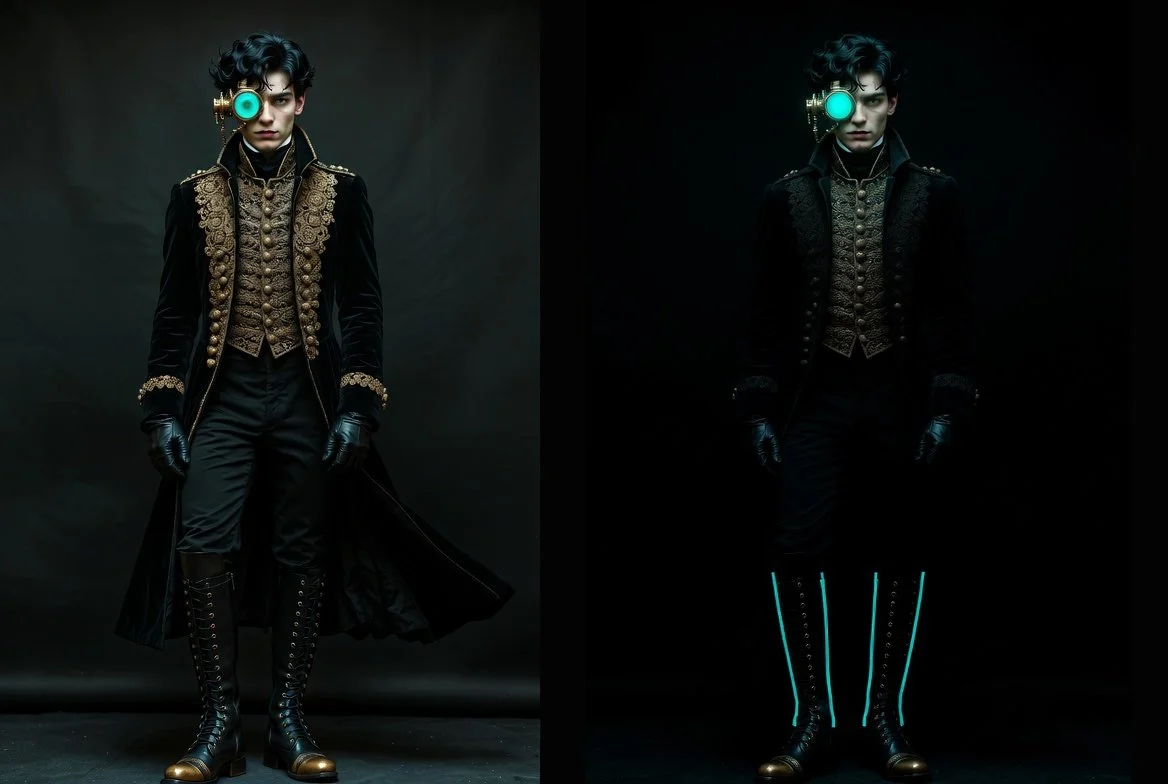
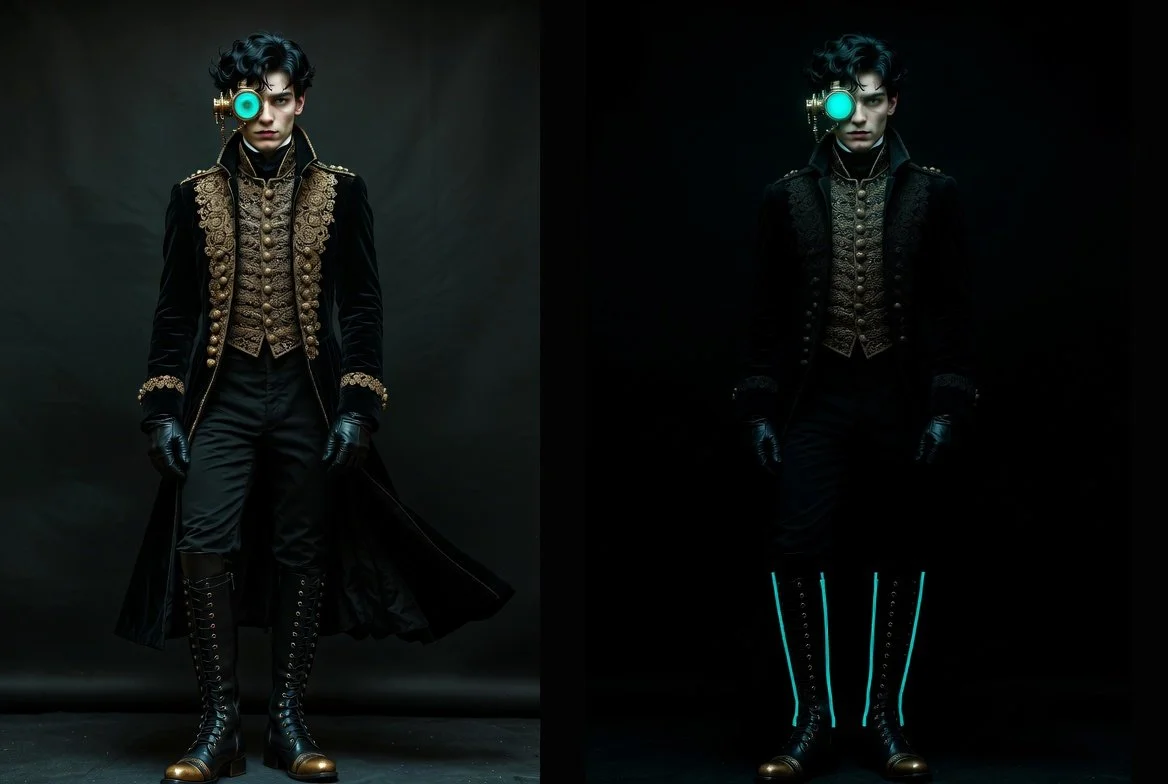
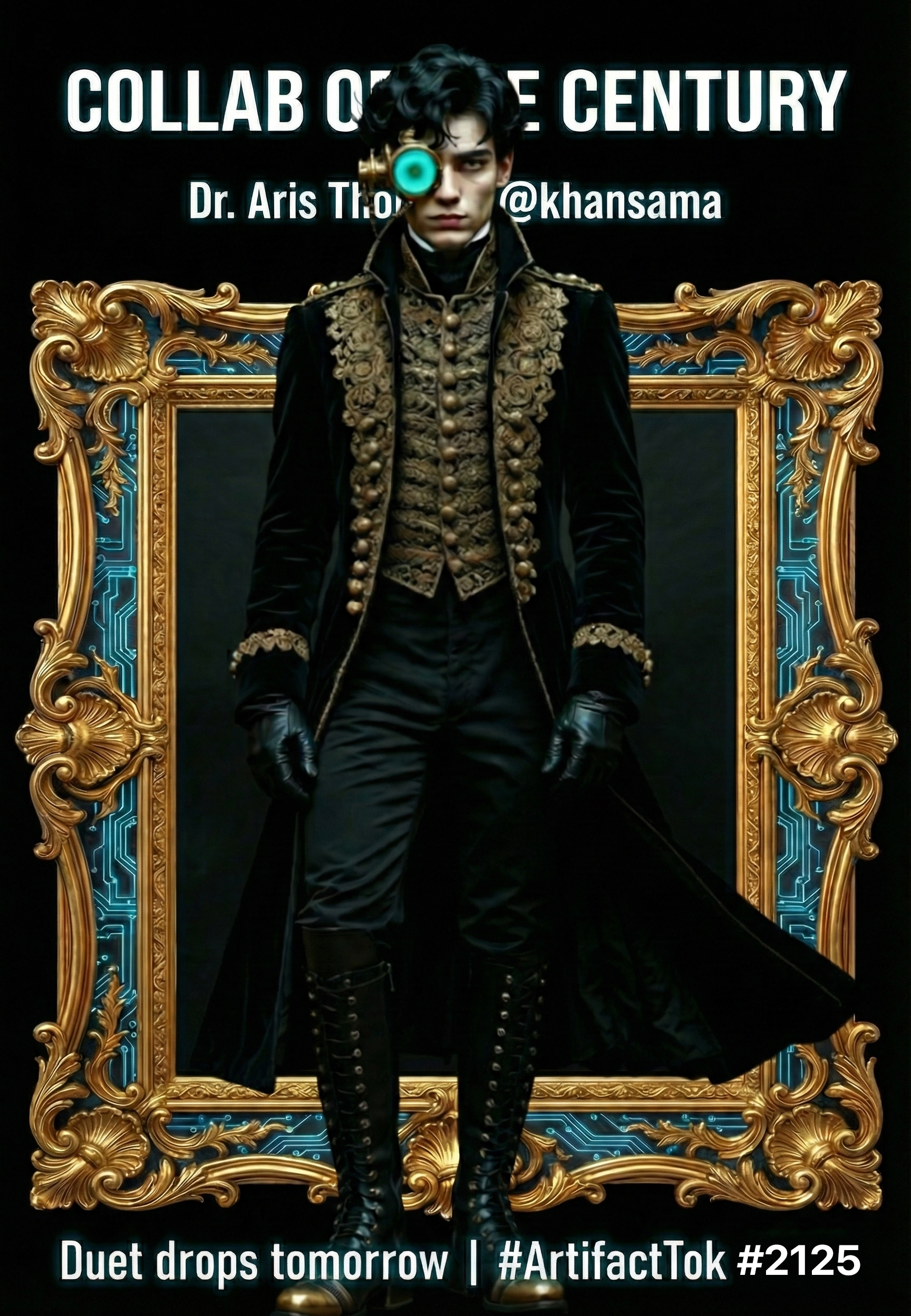
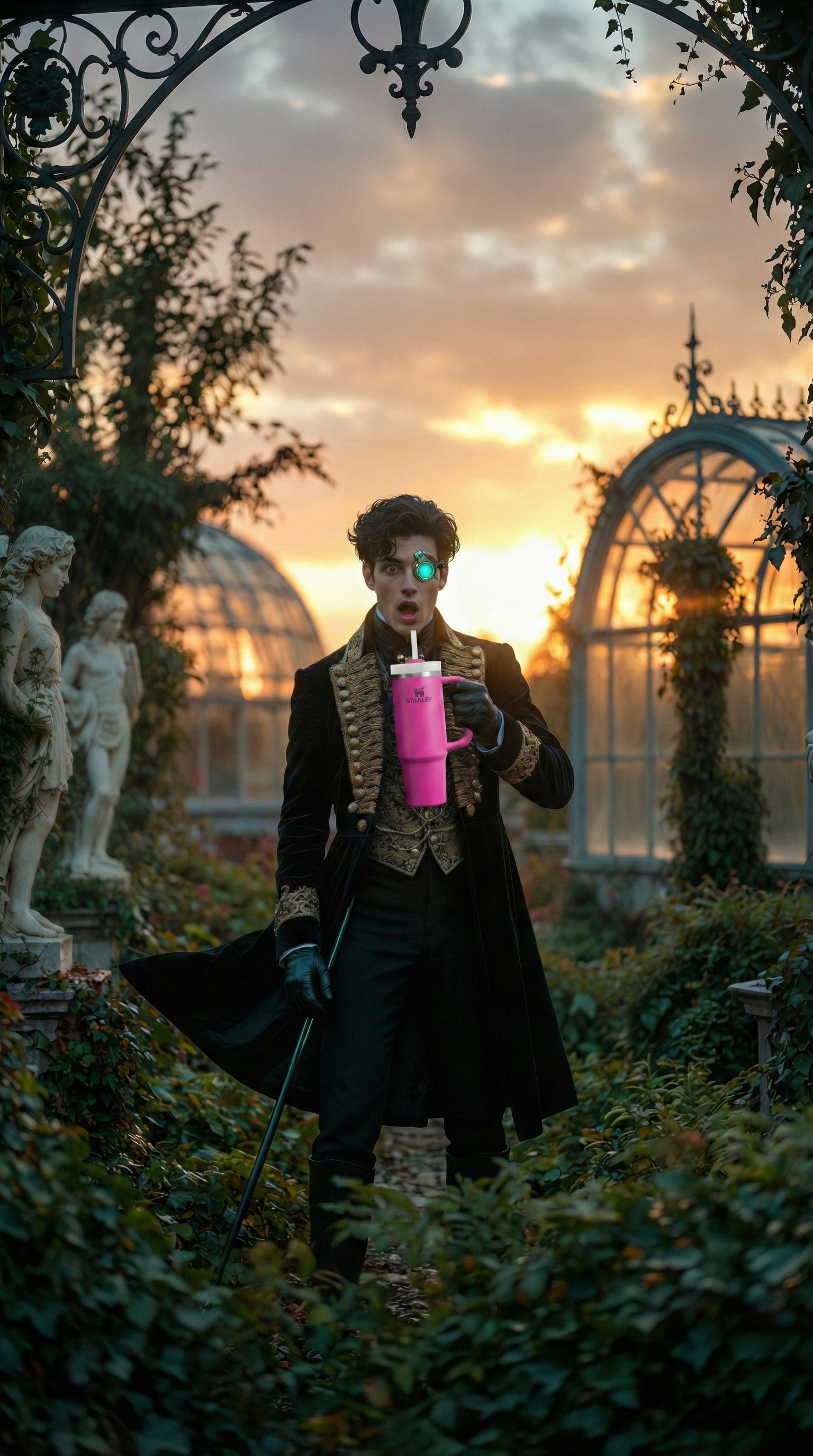
Long black velvet coats with glowing circuit embroidery, a glowing blue monocle, and an expression of perpetual disdain.
Target Audience
Gen Z and Millennials who consume "HistoryTok" and enjoy "future archaeologist" memes.
Why this character & niche?
I started by brainstorming underserved subcultures on TikTok/Reels.
History memes are huge (e.g., "future archaeologist" videos rack up millions of views), but most are low-effort or overly serious.
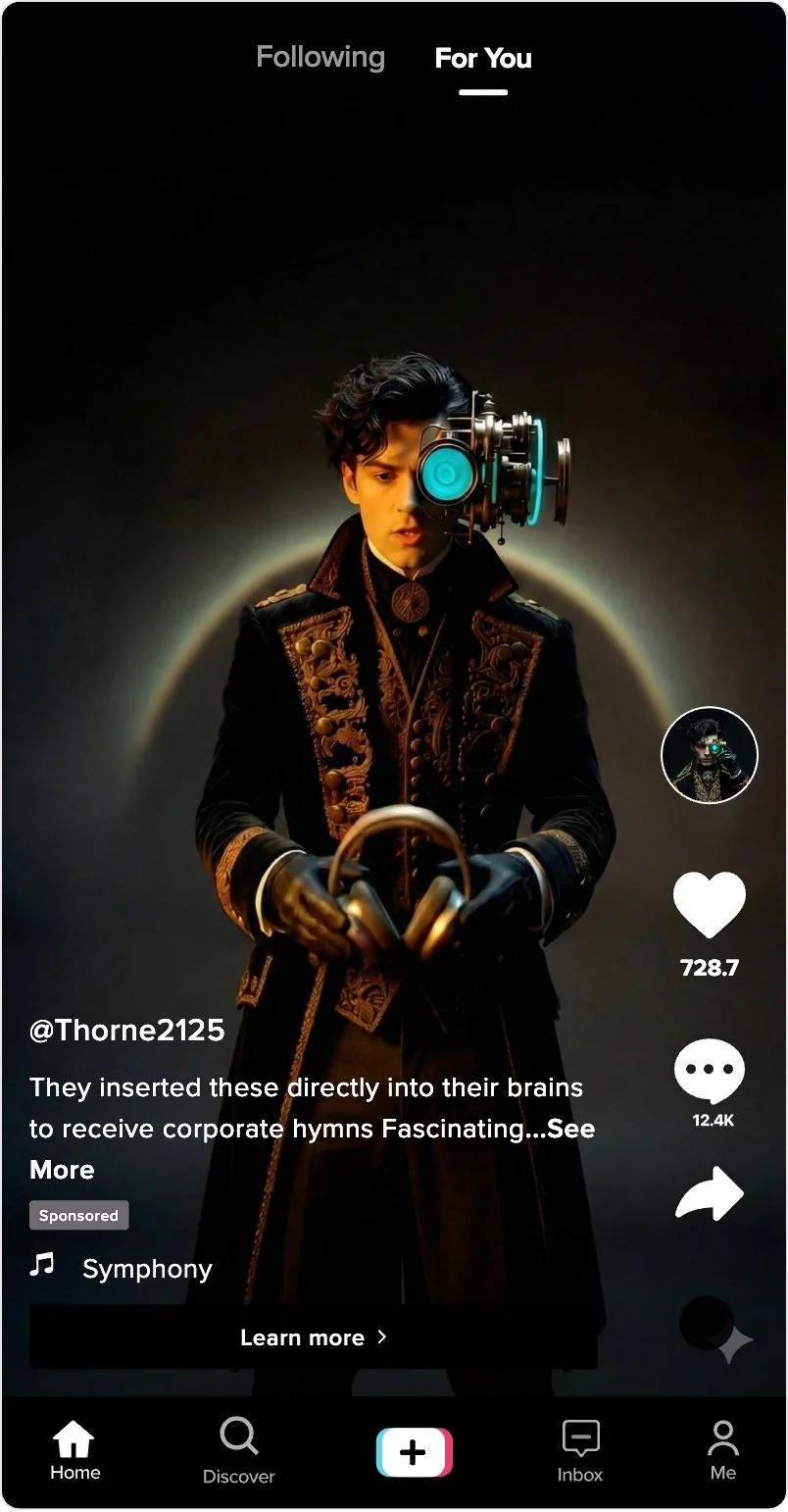
I saw an opportunity in "historical fiction satire" – a niche that's funny, relatable, and evergreen, but underexplored with AI visuals. Dr. Thorne as a 2125 historian misinterpreting 2020s junk pokes fun at our consumerism obsession (Stanley cups as cults? AirPods as brain implants?).
It's timely satire that feels authentic to Gen Z's ironic humor, while being culturally relevant by roasting modern trends without being mean-spirited.
Why the monocle, clothes, & Cyber-Baroque aesthetic?
The glowing blue monocle is Thorne's signature "hook" – it's a visual gag that's instantly memorable (flickers when he's confused, like a sci-fi scanner). It ties into the historian trope (magnifying glass for artifacts) but cyberpunk-ified for futurism. The clothes (long velvet coat with circuit patterns, fiber-optic wig) blend Victorian poshness (for condescension) with Blade Runner neon (for 2125 dystopia). Why? To make him "platform-native": striking in thumbnails, shareable in stills, and cohesive across videos. I avoided generic sci-fi to create something original yet familiar – opulent but gritty, like Bridgerton in a cyber slum. This duality makes him feel contemporary (meme-able) and culturally relevant (satirizing class/tech divides).
03. The Viral Strategy
Correction Farming
The core growth engine relies on intentionally incorrect interpretations of common items to trigger the comment section algorithm.
The Hook
Every video gets the artifact 100% wrong on purpose.
Example Scenario
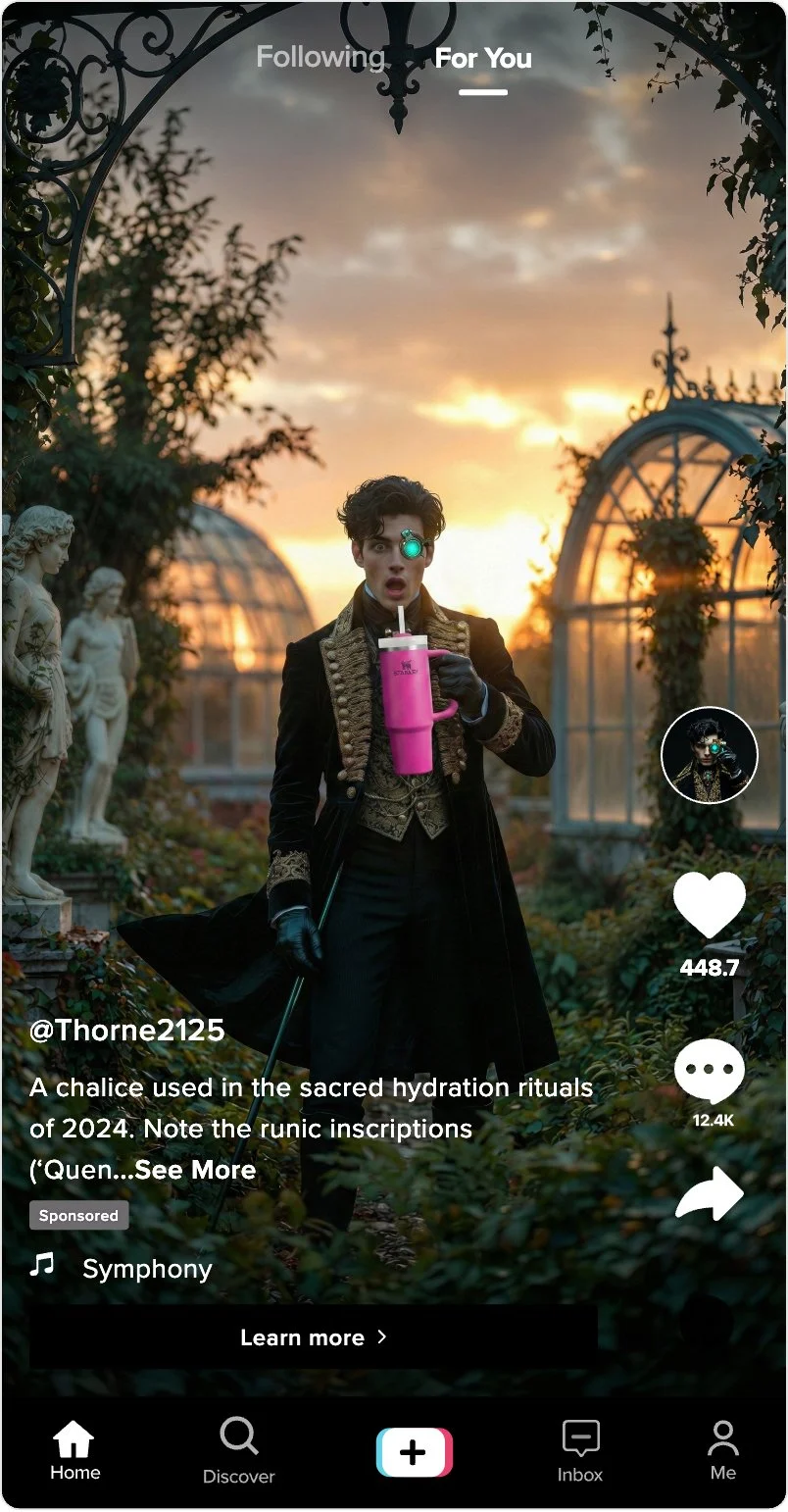
A pastel pink Stanley cup is presented not as a bottle, but as "the Chalice of Stan, used in compulsory 40-oz hydration rituals."
The Result
Viewers flood the comments to correct the historian ("Bro, it's just a water bottle"), exploding engagement and pushing the content to the FYP.
Why the strategy ?
Virality boils down to engagement, and nothing spikes comments like being hilariously wrong.
I drew from proven formats like Khaby Lame's silent roasts or "wrong answers only" challenges – people can't resist correcting you.
This "bait" turns passive viewers into active commenters, boosting algo signals.
I tested similar concepts mentally against current trends (e.g., artifact memes exploding in 2024–2025) and projected realistic growth based on accounts like @historywithkay (30k followers in a month via duets).
It's low-risk, high-reward: easy to produce, infinite content ideas from everyday objects.
04. AI Technology Stack
To achieve a high-fidelity "Cyber-Baroque" aesthetic with consistency, a specific stack of AI tools was utilized.
Character Consistency
Grok Imagine, Gemini 3.0 Nano Banana Pro, Photoshop
Initial concepts refined for photorealism.
Video Generation
Runway Gen-4 Alpha, Grok Imagine Video, Veo 3.1
Text-to-Video and Image-to-Video workflows.
Audio
ElevenLabs
Voice and music scoring.
Prompt Engineering
Custom Token Structure
Used a "fixed character token + [Action + Object + Expression]" structure.
05. Growth Plan & Deliverables
Platform Strategy
TikTok (Priority), Instagram Reels and Youtube Shorts
Cadence: 4–6 Shorts per week, plus one bi-weekly long-form "Field Report."
Final Assets Delivered
2 Viral-Ready Shorts (15–60s)
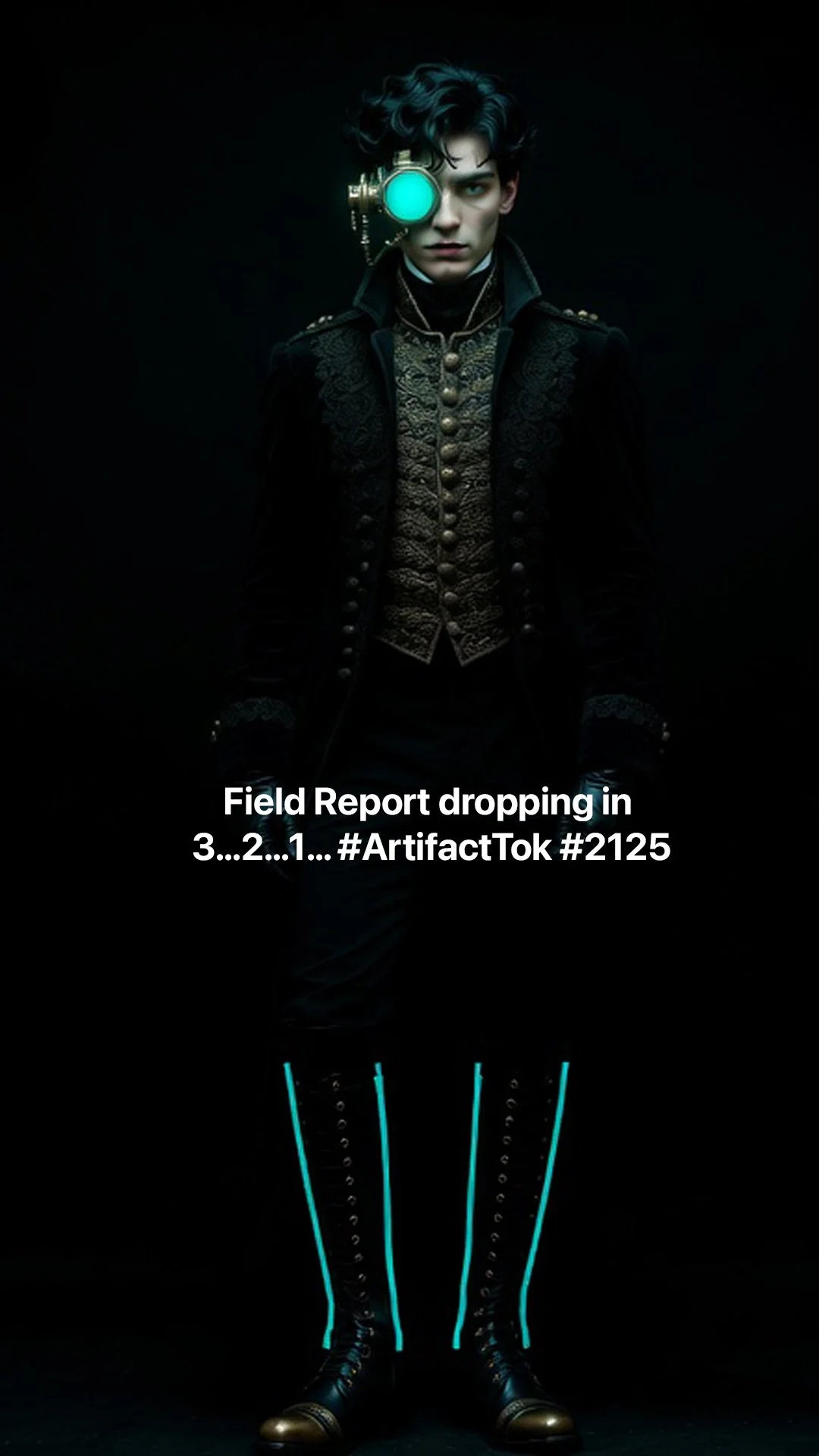
1 Long-form Field Report (2 min 15s)
13+ High-res static assets (Profile kits, thumbs)
30-Day Projections
2M Total Views
120k Followers
Based on current trend velocity and algorithm correction farming.
06. My creation process step-by-step:
Ideation : Scanned TikTok trends for gaps. Chose "future misinterpretation" after seeing artifact videos hit 10M+ views. Brainstormed 5 character archetypes; picked the "snobby historian" for humor potential.
Visual development: Started with Grok Imagine for rough concepts (prompt: "Victorian man in cyberpunk, glowing monocle"). Iterated in Gemini for refinements, then Photoshop for consistency (e.g., fixed color palette: deep blacks, electric blues). Created a "token sheet" PDF with 10 variations to ensure 90 % match across assets.
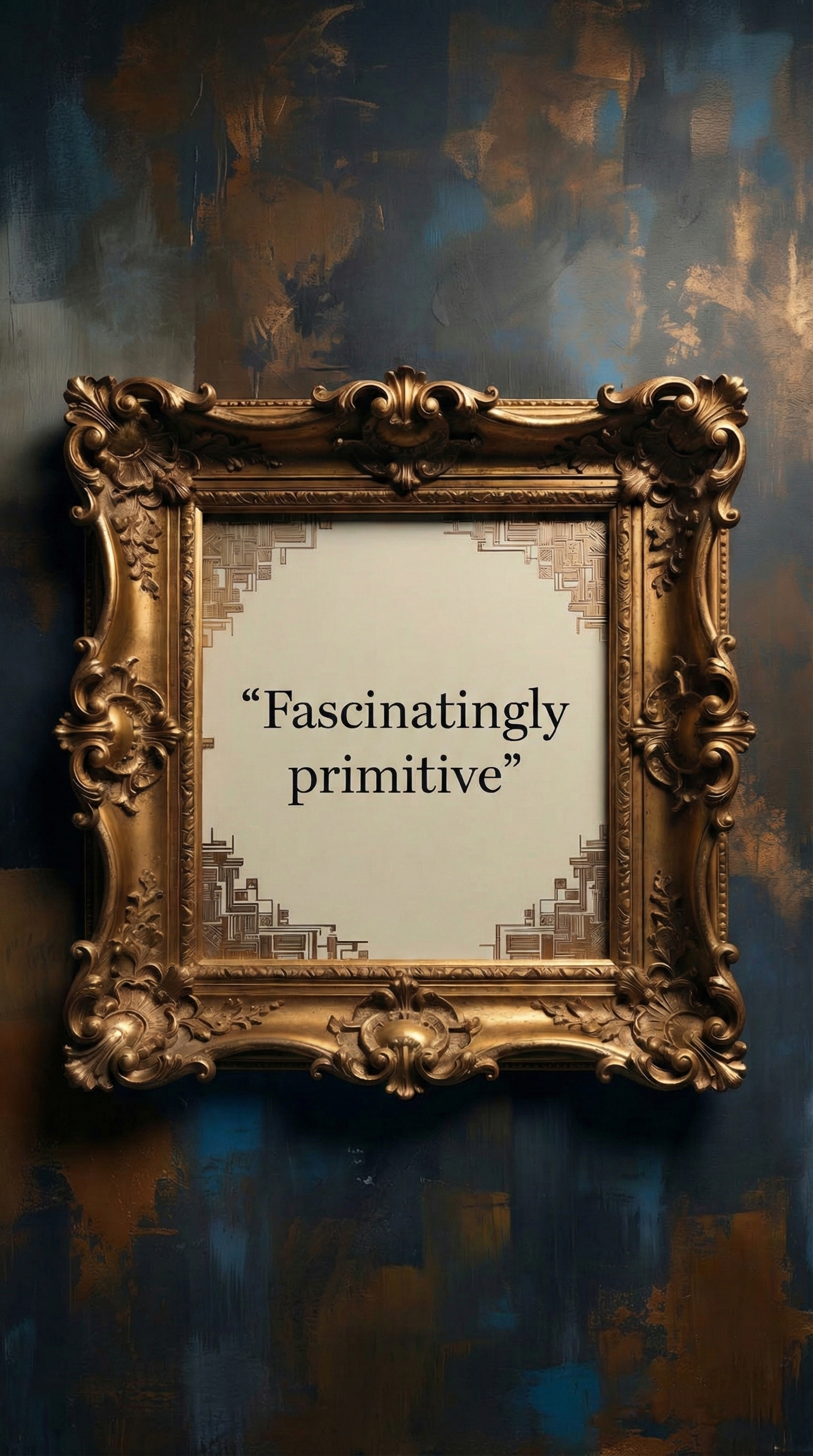
Content scripting : Wrote scripts around viral mechanics – short hooks for shorts, deeper satire for long-form. Focused on "fascinatingly primitive" as a quotable sign-off to encourage duets.
Video production : Used Runway Gen-4/Grok Imagine/Gemini Veo 3.1. Music via ElevenLabs (its insanely accurate).
Key learning: The [Action + Object + Expression] prompt structure cut re-generations by half – e.g., "Dr. Thorne [holds Stanley cup] + [horrified awe]".
Polish & testing : Added fake engagement to mocks in Photoshop. "Tested" by imagining scroll-stop potential – ensured everything felt native to 2025 trends.
07. Key Learnings from AI Workflow
One ongoing challenge in AI video generation is the lack of a single, fully reliable tool that consistently delivers high-quality results across all scenarios. For this project, I experimented with multiple options to achieve the best outcomes:
Runway Gen-4 Alpha excelled for motion-heavy sequences, providing smooth animations from static images.
Grok Imagine Video performed exceptionally well here (it was a standout for quick, charm-infused renders with minimal artifacts).
Veo 3.1 handled more complex scenes reliably, especially for longer clips.
While these tools are powerful, switching between them was necessary due to varying strengths (e.g., consistency in character movement vs. speed). This highlights an industry gap: we still need a "go-to" AI that's dependable and successful 100% of the time for end-to-end video creation. Future improvements could focus on hybrid workflows or unified platforms to streamline this.